Powered by Spectra
Computer vision in healthcare
Spectra models to build customized healthcare solutions that drive better diagnostics and enable smarter patient monitoring through advanced computer vision systems.
Contact Us → Spectra models to build customized healthcare solutions that drive better diagnostics and enable smarter patient monitoring through advanced computer vision systems.
Contact Us →
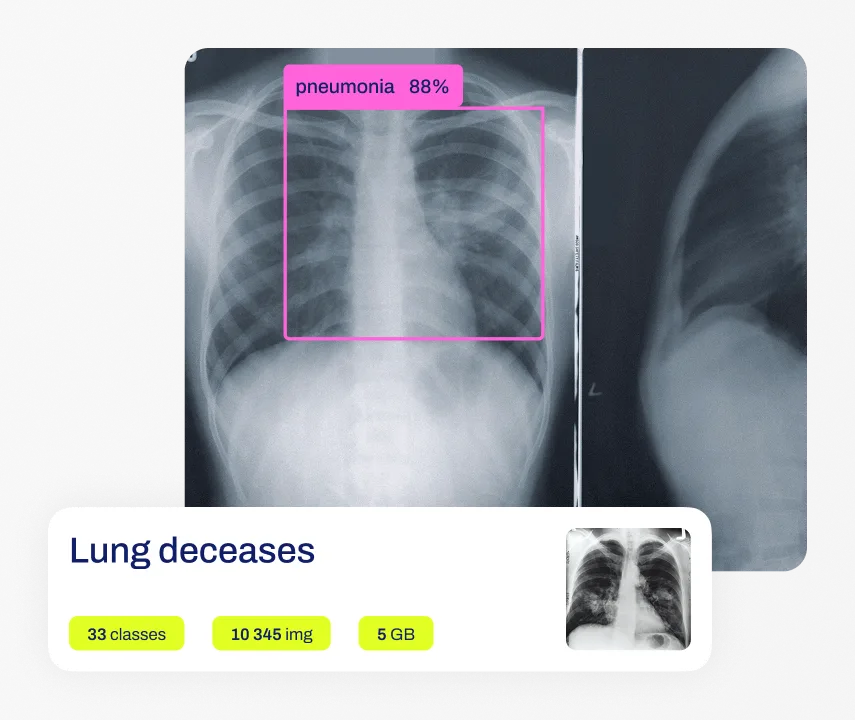
By integrating Vision AI for medical imaging, hospitals can streamline diagnoses.

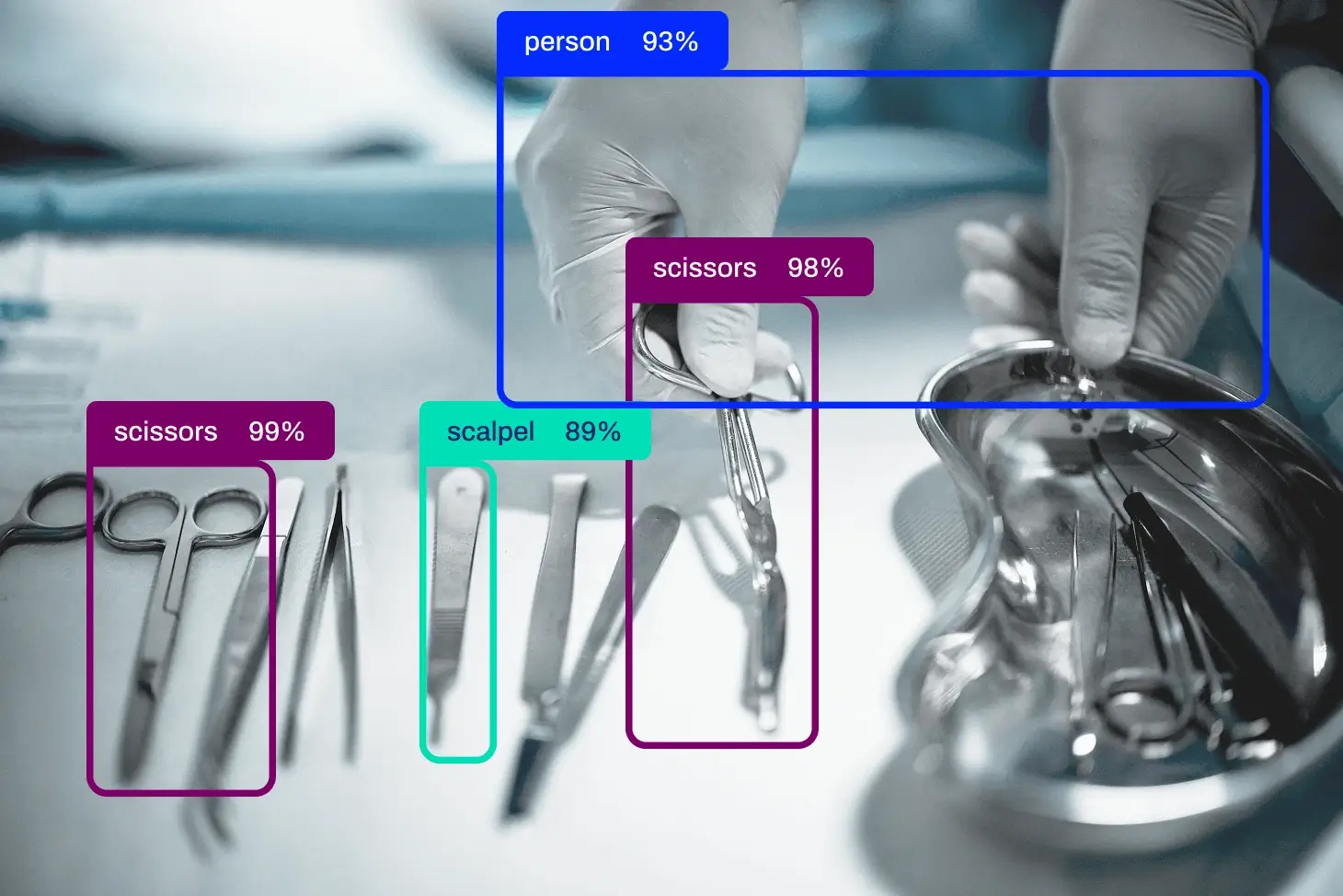
Vision AI in healthcare can help identify and outline surgical tools to help doctors during operations.

Vision AI in labs helps with image classification, quickly identifying diseased cells in pathology slides.
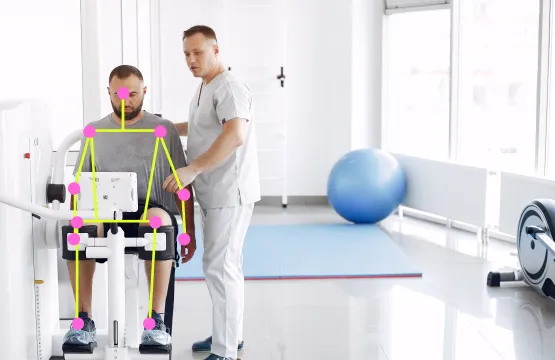
Spectra supports pose estimation to help monitor a patient's movements during physical rehabilitation.
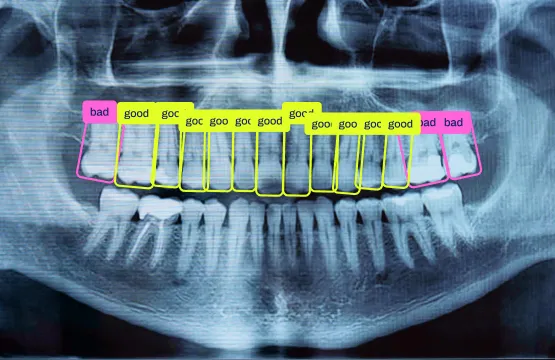
Doctors can assess bone alignment in x-rays with oriented bounding box object detection.
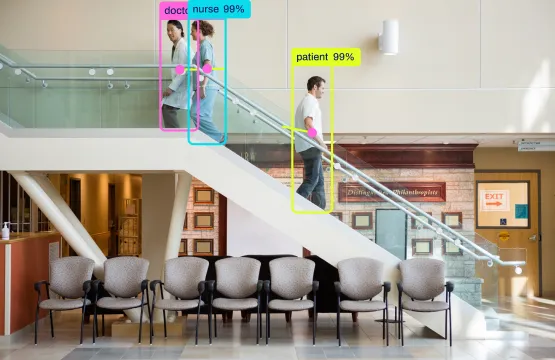
Spectra's object tracking task can boost hospital security by facilitating real-time monitoring.
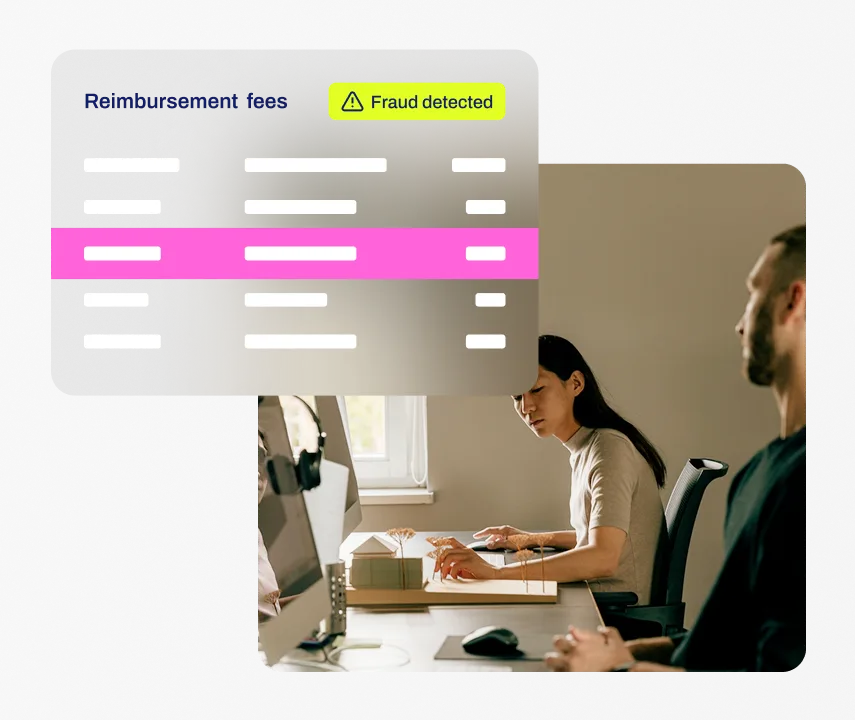
Computer vision applications enabled by Spectra, such as automated data extraction from medical forms can reduce admin burdens in healthcare.
Computer vision in healthcare redefines lab tasks like cell counting, making them faster and more accurate.
Computer vision in healthcare can help analyze medical images, detect diseases, and automate pathology tasks. It can also be used to monitor patients and improve accuracy, efficiency, and overall care.
AI in healthcare helps analyze data, predict diseases, and personalize treatments. It supports diagnostics, automates administrative tasks, monitors patient health, and enhances drug discovery.
Medical imaging is an application of computer vision in healthcare that focuses on analyzing images like X-rays or MRIs to detect diseases, spot abnormalities, and assist doctors in making faster and more accurate diagnoses.
The future of AI in healthcare likely includes better diagnostics, personalized treatments, and faster drug discovery. It will also enable real-time health monitoring and more efficient workflows.
Get in touch to learn how Aurysia Spectra can power smarter diagnostics and patient monitoring.
Contact Us →